
Part 1: The GIS API
First part of our series on APIs in charging infrastructure
In the EV charging sector, everything revolves around smart data exchange and linking systems to plan charging infrastructure more efficiently, organize processes, and enable collaboration. Well-known protocols such as OCPP and OCPI facilitate communication between charging points and backends, and between backends themselves, but there is still much to gain within charging network management software, such as EVTools. APIs form the digital bridge between various applications, allowing charging site owners and operators to optimize their processes. In this series, we will cover four important integrations: for charging point requests, Geographic Information Systems (GIS), realization and modification processes, and KPIs. This first article focuses on the GIS API – the engine behind retrieving and updating location data.
Smart integrations for efficient charging infrastructure management
In the world of EV charging infrastructure, many systems operate in parallel. To save time, data sharing is becoming increasingly important. Municipalities use Geographic Information Systems (GIS) to manage their public spaces, operators work with rollout plans and realization portals, and policymakers require access to current data. A seamless integration between these systems not only saves time but also increases data accuracy and reliability. EVTools therefore invests in APIs that enable this integration. Read more here about how EVTools, with the GIS API, guarantees a secure, fast, and efficient data flow.
Standardization of integrations and open data
While EVTools, as an independent software provider, shares data from rights holders, it is crucial that these integrations are also standardized in the market. Read more about the importance of standardizing integrations and open data in a previous article on standardization in collaboration with NKL, RVO, MinIenM & NAL.
Smart integrations for efficient charging infrastructure management
In the world of EV charging infrastructure, many systems operate in parallel. Municipalities use Geographic Information Systems (GIS) to manage their public spaces, operators work with planning maps and realization portals, and policymakers require access to current data. A seamless integration between these systems not only saves time but also increases data accuracy and reliability. EVTools therefore invests in APIs that enable this integration.
What makes the GIS API so important?
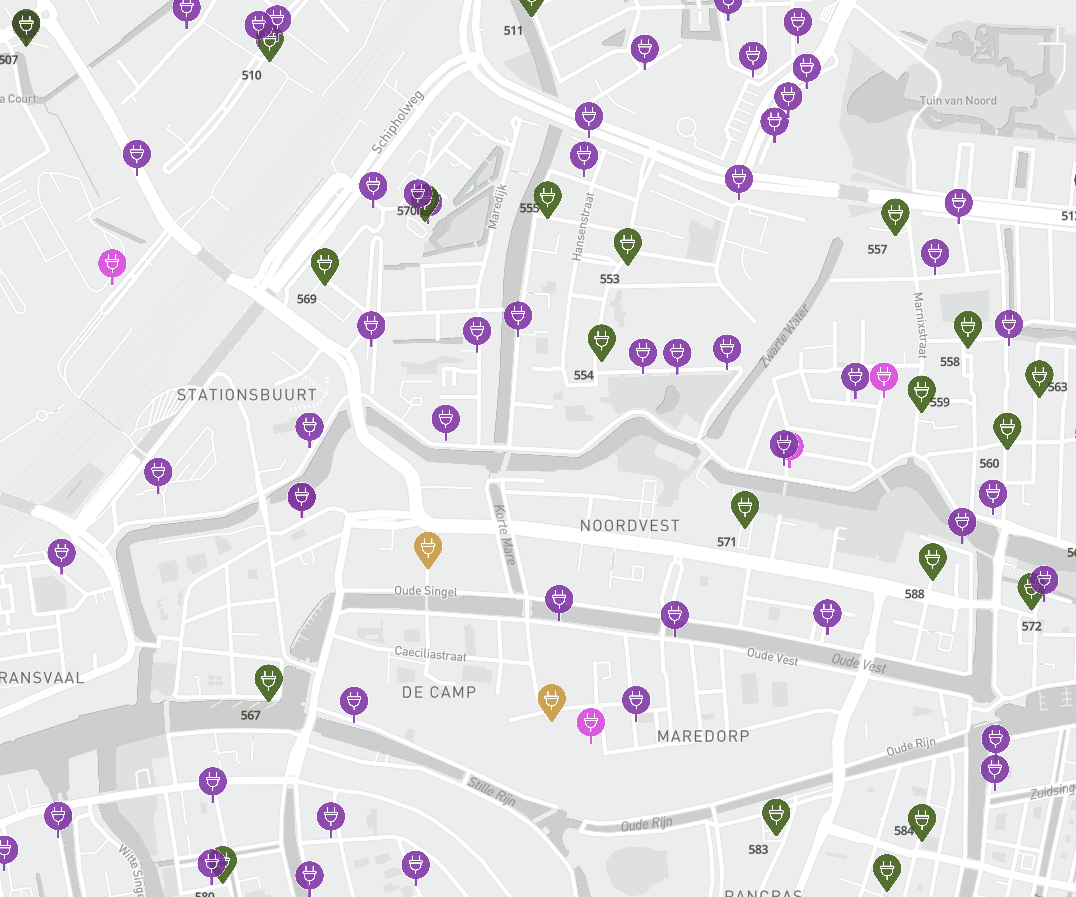
Jeroen Schutte, Chief Product Officer at EVTools, explains: “EVTools possesses unique data that is not available anywhere else. This includes planned charging locations, status updates, and analytical insights. The GIS API ensures that this information can be integrated into other systems, allowing everyone to work with the same current data.”
The GIS API is utilized by two key user groups:
- Municipalities: They use the API to automatically retrieve location data and integrate it into their GIS systems, enabling charging infrastructure to be managed alongside other public space data.
- Operators: The API assists in synchronizing planning maps and realization portals, ensuring that the status of charging locations remains up-to-date everywhere.
Implementation and integration in practice
The GIS API is designed for easy and rapid implementation. Within minutes, a client can retrieve initial data using a personal API key. The comprehensive documentation on developer.evtools.nl provides a clear overview of available data, parameters, and filters, enabling users to start working with the integration immediately.
What are the benefits of the GIS API?
- Automation and security: No more manual processes, reduced risk of errors, and improved data security.
- Consistent data exchange: Status updates and location data are always current, regardless of the system in which they are displayed.
- Flexible integration: You only request the data you need, for example, only locations that have been recently changed.
Future developments
EVTools continuously works on improving its API integrations. One of the upcoming updates for the GIS API is the ability to create new locations. This means that external systems can directly input charging locations into EVMaps, which are then automatically incorporated into planning maps and workflow processes. This is particularly beneficial for international partners who wish to integrate their own geographical systems with EVTools' functionalities.
What's next?
This article is the first in a series in which we delve deeper into API integrations within the charging infrastructure market. In subsequent editions, we will cover:
- Request API: How charging station requests can be seamlessly integrated into existing processes.
- Workflow API: How this API assists in streamlining charging infrastructure processes.
- KPI & Reporting API: How standardized statistics and analyses contribute to improved decision-making.
Learn more?
Would you like to discover how your organization can benefit from efficient data integration? Contact one of our account managers or send an email to info@evtools.nl. Test the APIs yourself with your own or third-party software and optimize your charging infrastructure process. Continue to follow our series for further insights into API integrations and the future of charging infrastructure management, and subscribe to our newsletter and follow our LinkedIn page!